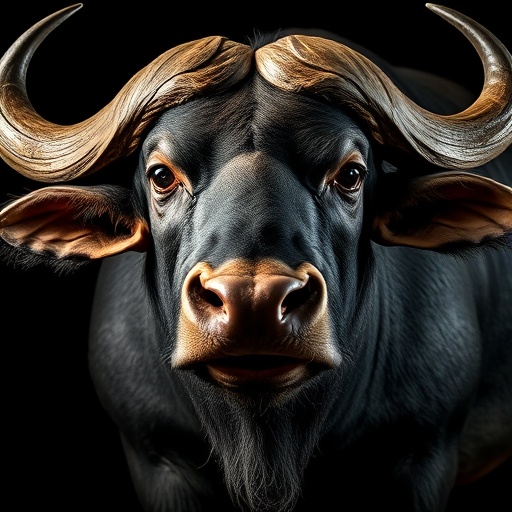
Cape Buffalo

Alligator
Start Here
Want the full Cape Buffalo vs Alligator answer?
Open the full illustrated battle book to see the stat breakdown, the fight sequence, and the final verdict for this exact matchup.
🥊 Open the Full Battle Book →Best next step if you came from Pinterest or search
Cape Buffalo vs Alligator: Who Would Win? (2026)
In the wild, few battles can match the intensity of a duel between the formidable Cape Buffalo and the fearsome Alligator. Picture this: a massive, 2,000-pound Cape Buffalo charges into a murky swamp, while a stealthy Alligator lurks beneath the water's surface, ready to strike. Who will come out on top in this epic showdown? Let’s dive deep into the details and find out!
Meet the Fighters
The Cape Buffalo
The Cape Buffalo, scientifically known as Syncerus caffer, roams the grasslands and savannas of Africa. Known for their strength and resilience, these animals have earned the nickname "Black Death" due to their fierce reputation. They are social creatures that live in herds, relying on their numbers for protection against predators.
Physical Stats:
- Weight: Up to 2,000 pounds
- Length / Height: Up to 11.5 feet long! They stand about 5.5 feet tall at the shoulder!
- Top Speed: Can run up to 35 mph! That's faster than a galloping horse!
- Bite Force / Strength: (Not provided)
- Horns up to 3.5 feet long!
- Powerful legs
- Thick skin
- Weight: Up to 1,000 pounds
- Length / Height: Up to 13 feet long! That's about the length of a school bus!
- Top Speed: Can run up to 20 mph on land! That's as fast as a speeding bicycle!
- Bite Force / Strength: 2,125 PSI
- Powerful jaws with a bite force of 2,125 PSI
- Sharp teeth
- Long tail for swimming
Weapons:
Fighting Style:
Cape Buffalos fight by utilizing their massive horns and powerful legs. They can charge at high speeds to intimidate or attack predators. When in a herd, they support each other, using their numbers to fend off threats. A solo buffalo will stand its ground and use its strength to push back against attackers.
The Alligator
The American Alligator, or Alligator mississippiensis, is a master of ambush, often found in swamps, rivers, and lakes across the southeastern United States. These reptiles are known for their powerful jaws and stealthy hunting tactics, making them one of the top predators in their habitat.
Physical Stats:
Weapons:
Fighting Style:
Alligators are ambush hunters, using their camouflage to blend into the water and surprise their prey. They rely on their powerful jaws to grip and hold onto anything they catch. When threatened, they can use their tails to strike or propel themselves toward a target quickly.
Tale of the Tape
| Stat | Cape Buffalo | Alligator | Advantage |
|---|---|---|---|
| Weight | 2,000 pounds | 1,000 pounds | Cape Buffalo |
| Length / Size | 11.5 feet | 13 feet | Alligator |
| Speed | 35 mph | 20 mph | Cape Buffalo |
| Bite Force / Strength | N/A | 2,125 PSI | Alligator |
| Special Weapons | Horns | Sharp teeth | Even |
| Fighting Experience | High | High | Even |
The Battle
In the heart of the African savanna, a herd of Cape Buffalos grazes peacefully. Among them is a massive bull, weighing a staggering 2,000 pounds. This bull is known for his strength and fierce temperament. Meanwhile, in the nearby swamp, an American Alligator senses the vibrations of the herd. With a stealthy grace, he glides through the water, positioning himself for a potential ambush.
The Cape Buffalo, feeling the urge to quench his thirst, wanders close to the water's edge. His thick skin glistens in the sunlight, and he is unaware of the lurking danger. The Alligator, over 13 feet long and weighing 1,000 pounds, remains perfectly still beneath the murky water, his eyes just above the surface.
Suddenly, the buffalo steps closer, and the Alligator sees his chance. With incredible speed, he propels himself out of the water, jaws wide open, aiming for the buffalo's leg. The Cape Buffalo, sensing the movement, reacts instinctively. He turns sharply, using his powerful legs to spring into a full sprint away from the water.
The Alligator misses his strike but quickly spins around to pursue. The buffalo runs at an astonishing 35 mph, making it difficult for the Alligator to catch up on land. However, the Alligator is not done yet. He quickly adapts, using his powerful tail to propel himself back into the water, swimming with incredible speed to cut off the buffalo’s escape route.
As the buffalo reaches the edge of the swamp, he suddenly finds himself in a precarious situation. The Alligator, lurking beneath the surface, prepares for another attack. Just as the buffalo approaches, the Alligator lunges again, his jaws snapping shut with a force of 2,125 PSI. This time, the buffalo is ready. He turns and charges back toward the water, using his massive horns to defend himself.
The clash is fierce. The Alligator bites at the buffalo's legs, but the buffalo’s thick skin offers some protection. A swift kick from the buffalo sends the Alligator reeling, giving the buffalo a chance to escape back to the safety of his herd. The Alligator, realizing he has underestimated the buffalo's strength and speed, retreats to the deeper waters.
The Verdict
Winner: Cape Buffalo
In this thrilling match-up, the Cape Buffalo emerges as the victor. With a weight advantage of 1,000 pounds over the Alligator, the buffalo's powerful legs enable him to run faster and escape the ambush. Although the Alligator possesses a formidable bite force of 2,125 PSI, the buffalo's thick skin and speed give it a crucial edge in this battle. If we consider 10 encounters, the Cape Buffalo would likely win 7 out of 10 fights due to its size, speed, and herd behavior.
However, what if they fought in a different environment? If the battle took place entirely in water, the Alligator could very well turn the tide. With its superior swimming abilities and ambush tactics, it could take advantage of the buffalo's lack of aquatic skills, proving that location truly matters in the animal kingdom!
FAQ
Could a Cape Buffalo kill an Alligator?
Yes, a Cape Buffalo could potentially kill an Alligator, especially if it manages to charge successfully. The buffalo's massive horns and weight make it a formidable opponent, and if it can land a powerful kick, it could inflict serious damage.
Who is stronger, a Cape Buffalo or an Alligator?
The strength comparison is nuanced. While the Alligator has a stronger bite force of 2,125 PSI, the Cape Buffalo is heavier and possesses great physical strength, especially when using its legs and horns. In a straight-up contest, the buffalo's strength would likely dominate.
What are the odds in a Cape Buffalo vs Alligator fight?
In a typical scenario on land, the Cape Buffalo would have a higher chance of winning, about 70% of the time. However, if the fight were to occur in water, the odds could shift in favor of the Alligator.
Has a Cape Buffalo ever fought an Alligator in real life?
While there are no documented cases of a Cape Buffalo fighting an Alligator, both animals inhabit different environments and may encounter each other at the edges of water bodies. Such interactions typically involve the buffalo being cautious near the water, avoiding potential ambushes.
Generate your own Cape Buffalo vs Alligator illustrated battle book at whowouldwinbooks.com
Turn This Matchup Into the Full Illustrated Book
Don’t stop at the summary page. Open the full book version for the complete fight, stat pages, and final outcome.
🥊 Open Cape Buffalo vs Alligator Book →Free for popular matchups • whowouldwinbooks.com
Related Battles
Want to explore more matchups?
Browse all animal battles at whowouldwinbooks.com →