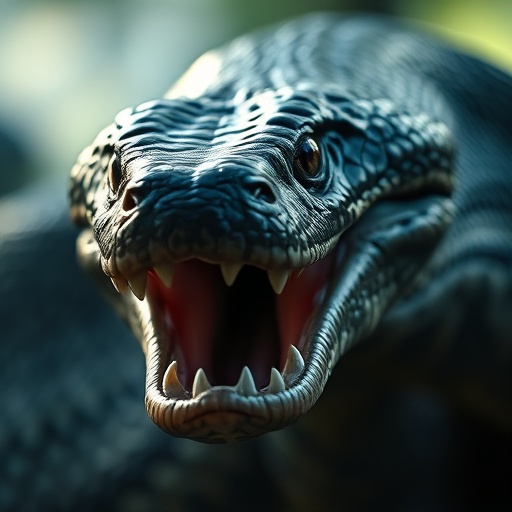
Anaconda
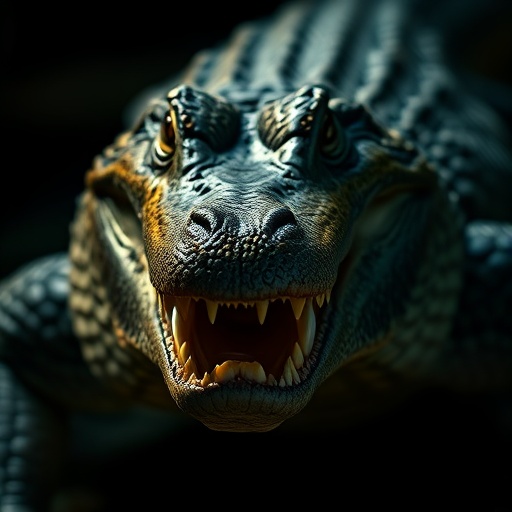
Crocodile
Start Here
Want the full Anaconda vs Crocodile answer?
Open the full illustrated battle book to see the stat breakdown, the fight sequence, and the final verdict for this exact matchup.
🥊 Open the Full Battle Book →Best next step if you came from Pinterest or search
Anaconda vs Crocodile: Who Would Win? (2026)
In the wild, two titans meet: the colossal Anaconda and the fearsome Crocodile. When these two apex predators clash, who will reign supreme? With the Anaconda’s immense length and constricting power against the Crocodile’s armored hide and crushing jaws, it’s a battle for the ages!
Meet the Fighters
The Anaconda
The Green Anaconda, known scientifically as Eunectes murinus, is one of the largest snakes in the world. Found in the swamps and rivers of South America, this aquatic giant can grow up to 30 feet long! Anacondas are feared for their size and strength, as they are capable of taking down prey as large as capybaras and even jaguars.
Physical Stats:
- Weight: Over 500 pounds
- Length / Height: Up to 30 feet
- Top Speed: 1.5 mph (like a slow jog!)
- Bite Force / Strength: N/A (relies on constriction)
- Powerful muscles (30 feet long)
- Camouflage
- Strong jaws
- Weight: Up to 2,200 pounds
- Length / Height: Up to 23 feet
- Top Speed: 20 mph (quick as a running dog!)
- Bite Force / Strength: 3,700 pounds of bite force
- Powerful jaws with a bite force of 3,700 pounds
- Sharp teeth
- Long tail
Weapons:
Fighting Style:
Anacondas employ a stealthy strategy, using their excellent camouflage to ambush unsuspecting prey. Once they strike, they wrap around their victim, squeezing until it suffocates. Anacondas typically fight alone and prefer to use their strength to overpower rather than bite.
The Crocodile
The Saltwater Crocodile, or Crocodylus porosus, is the largest living reptile and is known for its fierce hunting prowess. Living in coastal areas, rivers, and swamps, these formidable predators can reach lengths of up to 23 feet and weigh over 2,200 pounds! With a powerful bite and a stealthy approach, crocodiles are regarded as one of the most dangerous predators in the water.
Physical Stats:
Weapons:
Fighting Style:
Crocodiles are ambush predators, lurking just beneath the water’s surface to surprise their prey. They use their powerful jaws to deliver a crushing bite and can also whip their tails to fend off attackers. Often solitary, they are fierce fighters when challenged.
Tale of the Tape
| Stat | Anaconda | Crocodile | Advantage |
|---|---|---|---|
| Weight | 500 pounds | 2,200 pounds | Crocodile |
| Length / Size | 30 feet | 23 feet | Anaconda |
| Speed | 1.5 mph | 20 mph | Crocodile |
| Bite Force / Strength | N/A | 3,700 pounds | Crocodile |
| Special Weapons | Powerful muscles | Sharp teeth | Even |
| Fighting Experience | 7 | 7 | Even |
The Battle
In a lush, swampy environment, the sun glimmers off the water’s surface while a Green Anaconda stealthily glides through the murky depths, its scales blending perfectly with the surrounding foliage. The Anaconda is on the prowl, its keen senses alert for movement. At the same time, lurking just below the surface is a massive Saltwater Crocodile, its eyes peeking out of the water as it patiently waits for the perfect moment to strike.
Suddenly, the Anaconda catches a glimpse of movement—perhaps a capybara or a bird—and quietly inches closer, its powerful muscles propelling it through the water. As it prepares to strike, the Crocodile, sensing an opportunity, bursts from the water with astonishing speed, its jaws wide open. With a formidable bite force of 3,700 pounds, it seeks to catch the Anaconda off guard.
The Anaconda, quick to react, evades the first attack by coiling its body and using its camouflage to disappear into the surroundings. Realizing the threat, it prepares for a counterattack. The Crocodile, undeterred, lunges again, this time aiming for the Anaconda's midsection. The massive snake constricts its body, ready to wrap around its opponent.
As the Crocodile snaps its powerful jaws, the Anaconda strikes back, coiling around the reptile’s body in a vice-like grip. The Crocodile feels the pressure but retaliates by thrashing its tail, trying to shake off the snake's hold. The water churns violently as both animals struggle for dominance.
In a tense standoff, the Anaconda’s strength begins to show its effectiveness. With each squeeze, the Crocodile feels its grip loosen. However, just as the Anaconda seems to gain the upper hand, the Crocodile uses its sharp teeth to bite into the Anaconda’s scales. The Anaconda must decide whether to maintain its grip or retreat and regroup.
With a powerful twist, the Crocodile manages to shake off the Anaconda, sending it tumbling back into the water. Now, the two predators circle each other, both aware that the fight is far from over. The Anaconda, regaining composure, prepares for another ambush, using its length to its advantage. The Crocodile, knowing it needs to stay mobile, keeps its eyes locked on the serpent, ready to strike at a moment's notice.
As the battle continues, the Anaconda makes one last attempt to entwine itself around the Crocodile, but the reptile’s sharp teeth and powerful jaw prove too much. The fight rages on, each creature demonstrating its unique strengths, but in this struggle for survival, one predator begins to falter. With a final, crushing bite, the Crocodile seizes victory. It has outsmarted and outmaneuvered the Anaconda, proving that in this watery arena, it reigns supreme.
The Verdict
Winner: Crocodile
The Saltwater Crocodile emerges victorious in this epic battle, thanks to its incredible bite force of 3,700 pounds and swift swimming abilities. While the Anaconda boasts impressive length and the ability to constrict its prey, the sheer power and ferocity of the Crocodile ultimately give it the edge. In approximately 7 out of 10 encounters, the Crocodile would likely emerge as the winner due to its strong defenses and aggressive tactics.
But what if they fought in a more terrestrial environment, like a dense rainforest? In this alternate setting, the Anaconda might have the advantage. With its ability to camouflage and its incredible strength in constricting, it could potentially outmaneuver the Crocodile. The fight’s outcome can largely depend on the terrain and environment in which these two magnificent creatures meet!
FAQ
Could a Anaconda kill a Crocodile?
Yes, it's possible for a large Anaconda to kill a smaller Crocodile, especially if it can ambush it first. However, in a face-to-face encounter, the Crocodile's strength and bite force would likely prevail.
Who is stronger, an Anaconda or a Crocodile?
In terms of raw strength, both animals are incredibly powerful. The Crocodile has a stronger bite force, but the Anaconda's muscular body allows it to constrict and overpower larger prey. Ultimately, strength can be context-dependent.
What are the odds in an Anaconda vs Crocodile fight?
In a direct confrontation, the odds favor the Crocodile about 7 out of 10 times, primarily due to its size, strength, and aggressive nature.
Has an Anaconda ever fought a Crocodile in real life?
While there are no documented instances of Anacondas and Crocodiles battling each other in the wild, both are apex predators in their respective habitats and would likely avoid direct confrontation unless necessary.
Generate your own Anaconda vs Crocodile illustrated battle book at whowouldwinbooks.com
Turn This Matchup Into the Full Illustrated Book
Don’t stop at the summary page. Open the full book version for the complete fight, stat pages, and final outcome.
🥊 Open Anaconda vs Crocodile Book →Free for popular matchups • whowouldwinbooks.com
Related Battles
Want to explore more matchups?
Browse all animal battles at whowouldwinbooks.com →