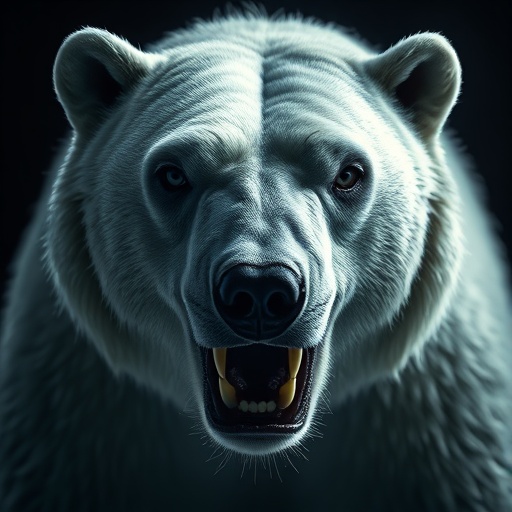
Polar Bear

Grizzly Bear
Start Here
Want the full Polar Bear vs Grizzly Bear answer?
Open the full illustrated battle book to see the stat breakdown, the fight sequence, and the final verdict for this exact matchup.
🥊 Open the Full Battle Book →Best next step if you came from Pinterest or search
Polar Bear vs Grizzly Bear: Who Would Win? (2026)
Imagine a fierce showdown between two of nature’s biggest and most powerful predators: the polar bear and the grizzly bear. Who would come out on top in an epic battle of strength, speed, and strategy? Let’s dive into the details and find out who would win this exciting animal battle!
Meet the Fighters
The Polar Bear
The polar bear, known scientifically as Ursus maritimus, is the ultimate apex predator of the Arctic. These colossal bears are perfectly adapted to their icy habitat, primarily hunting seals on the sea ice. With their thick blubber and transparent fur, they camouflage seamlessly against the snowy landscape, making them stealthy hunters.
Physical Stats:
- Weight: Up to 1,500 pounds
- Length / Height: Up to 10 feet long
- Top Speed: 25 miles per hour
- Bite Force / Strength: 1,200 PSI
- Powerful jaws with a bite force of 1,200 PSI
- Sharp claws up to 2 inches long
- Strong legs for powerful swimming
- Weight: Up to 1,500 pounds
- Length / Height: Up to 8 feet long
- Top Speed: 35 miles per hour
- Bite Force / Strength: Similar to polar bears
- Powerful claws (up to 4 inches long)
- Strong jaws
- Massive body weight
Weapons:
Fighting Style:
Polar bears typically hunt alone, using stealth and surprise to their advantage. They often ambush seals on the ice, employing their powerful limbs and sharp claws to strike with devastating force. In a fight, they rely on their size and strength to overpower opponents, using their sharp claws and massive weight to their advantage.
The Grizzly Bear
The grizzly bear, scientifically known as Ursus arctos horribilis, roams the forests, mountains, and national parks of North America. Known for their impressive bulk and ferocity, grizzlies are omnivores, feasting on berries, fish, and small mammals. They are not just powerful but also incredibly agile for their size.
Physical Stats:
Weapons:
Fighting Style:
Grizzly bears are known for their aggressive nature and impressive speed. They often stand their ground when threatened, using a combination of swipes from their powerful claws and biting to defend themselves. Grizzlies are also known to use their keen sense of smell to sense danger well before it arrives, allowing them to prepare for a potential confrontation.
Tale of the Tape
| Stat | Polar Bear | Grizzly Bear | Advantage |
|---|---|---|---|
| Weight | 1,500 lbs | 1,500 lbs | Even |
| Length / Size | 10 ft | 8 ft | Polar Bear |
| Speed | 25 mph | 35 mph | Grizzly Bear |
| Bite Force / Strength | 1,200 PSI | Similar | Even |
| Special Weapons | Claws up to 2 in | Claws up to 4 in | Grizzly Bear |
| Fighting Experience | Experienced hunter | Territorial fighter | Even |
The Battle
In the frozen expanse of the Arctic, the tension hangs thick in the air as a massive polar bear prowls in search of food. Its keen sense of smell guides it closer to a grizzly bear, which has wandered far from its forest home in search of fish. The two giants meet on a patch of ice, and the atmosphere crackles with primal energy.
The polar bear, towering at 10 feet and weighing 1,500 pounds, looks down at the grizzly with an intimidating presence. The grizzly, equally massive at 1,500 pounds but only 8 feet long, stands its ground, muscles tensed and claws ready. As the polar bear lunges forward, its powerful legs propel it with surprising speed, aiming to catch the grizzly off guard.
The grizzly reacts quickly, darting to the side and using its incredible reflexes to avoid the polar bear's initial strike. With claws four inches long and a jaw that can crush bone, the grizzly swipes back, aiming for the polar bear's flank. The blow lands hard, but the polar bear’s thick layer of blubber absorbs some of the impact, allowing it to retaliate.
The polar bear, enraged, charges with its massive weight behind it. Its powerful jaws snap shut, aiming for the grizzly’s shoulder. The grizzly, anticipating the move, rolls away just in time, leveraging its speed to create distance. It knows it must keep moving to avoid being pinned down by the larger bear.
As the battle continues, both bears exchange blows, their claws tearing at fur and skin. The polar bear's bite is fierce, but the grizzly's agility gives it the advantage in dodging and countering attacks. The grizzly uses its speed to dart in and out, landing quick swipes before retreating to avoid the polar bear’s powerful jaws.
Finally, the polar bear gains the upper hand, using its size to corner the grizzly against a drift of snow. With a mighty roar, it lunges forward, aiming for the grizzly’s neck. The grizzly, recognizing the danger, makes one last desperate dash. But the polar bear's sheer weight and strength prove too much, and it manages to pin the grizzly down on the icy surface.
Breathing heavily, the polar bear stands victorious, having used its size and strength to overcome the agile grizzly. The battle ends with the polar bear reigning supreme, but not without recognizing the ferocity and determination of its opponent.
The Verdict
Winner: Polar Bear
The polar bear's victory in this epic showdown can be attributed to its sheer size and strength. At 10 feet long and weighing the same as a small car, the polar bear possesses a significant advantage in physical power. Although both bears weigh the same, the polar bear's longer reach and powerful bite force of 1,200 PSI give it the edge in a direct confrontation. Overall, in about 7 out of 10 fights, the polar bear would likely come out on top.
However, if the battle were to take place in a dense forest or mountainous terrain, the outcome might be different. The grizzly bear’s agility and speed of up to 35 mph could allow it to navigate the environment more effectively, potentially leading to a victory in such conditions.
FAQ
Could a Polar Bear kill a Grizzly Bear?
Yes, a polar bear could kill a grizzly bear due to its size, strength, and powerful bite. However, encounters between the two species are rare in the wild, as they inhabit different environments.
Who is stronger, a Polar Bear or a Grizzly Bear?
While both bears are incredibly strong, polar bears tend to have a slight edge due to their larger size and powerful jaws. They can weigh up to 1,500 pounds, which gives them a significant advantage in strength.
What are the odds in a Polar Bear vs Grizzly Bear fight?
In a direct confrontation, the odds favor the polar bear winning about 7 out of 10 times due to its size and strength. The grizzly bear, however, could still pose a serious challenge with its speed and agility.
Has a Polar Bear ever fought a Grizzly Bear in real life?
There have been rare encounters between polar bears and grizzly bears in the wild, particularly as climate change alters their habitats. However, there are no well-documented battles, as these bears typically avoid each other.
Generate your own Polar Bear vs Grizzly Bear illustrated battle book at whowouldwinbooks.com
Related Guide
Want the long-form Polar Bear vs Grizzly Bear breakdown?
Read the matching guide page for the detailed comparison, reasoning, and search-friendly version of this matchup.
Read the Polar Bear vs Grizzly Bear guide →Turn This Matchup Into the Full Illustrated Book
Don’t stop at the summary page. Open the full book version for the complete fight, stat pages, and final outcome.
🥊 Open Polar Bear vs Grizzly Bear Book →Free for popular matchups • whowouldwinbooks.com
Related Battles
Want to explore more matchups?
Browse all animal battles at whowouldwinbooks.com →