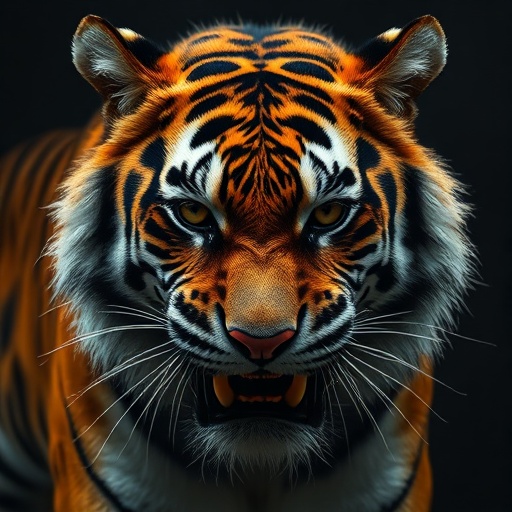
Tiger

Grizzly Bear
Start Here
Want the full Tiger vs Grizzly Bear answer?
Open the full illustrated battle book to see the stat breakdown, the fight sequence, and the final verdict for this exact matchup.
🥊 Open the Full Battle Book →Best next step if you came from Pinterest or search
Tiger vs Grizzly Bear: Who Would Win? (2026)
In the wild, two of the most formidable predators are the tiger and the grizzly bear. Each is a master of its domain, with incredible strength, speed, and hunting prowess. But what would happen if they faced off in an epic showdown? Would the stealthy tiger outmaneuver its opponent, or would the massive grizzly bear overpower the agile feline? Let's dive into the details and find out who would reign supreme!
Meet the Fighters
The Tiger
The tiger, known scientifically as Panthera tigris, is one of the most majestic and powerful big cats on the planet. Typically found in tropical forests, grasslands, and swamps across Asia, tigers are solitary hunters that rely on stealth and strength to catch their prey. With their striking orange coat and black stripes, they blend perfectly into their jungle surroundings, making them exceptional ambush predators.
Physical Stats:
- Weight: 220 to 660 pounds
- Length / Height: Up to 10 feet long including the tail
- Top Speed: Can run up to 30 miles per hour
- Bite Force / Strength: 1,000 PSI
- Powerful jaws with a bite force of 1,000 PSI
- Sharp claws up to 3 inches long
- Strong legs for pouncing
- Weight: 400 to 1,500 pounds
- Length / Height: Up to 8 feet long
- Top Speed: Can run up to 35 miles per hour
- Bite Force / Strength: Powerful jaws
- Powerful claws (up to 4 inches long)
- Strong jaws
- Massive body weight
Weapons:
Fighting Style:
Tigers are known for their stealth and ambush tactics. They typically stalk their prey silently before launching a quick and powerful attack. With strong hind legs, they can leap great distances to surprise their target. Solitary by nature, tigers prefer to hunt alone, using their keen senses to outsmart their prey.
The Grizzly Bear
The grizzly bear, or Ursus arctos horribilis, is a true giant of the North American wilderness. These massive creatures inhabit forests, mountains, and national parks, where they showcase their impressive size and strength. Grizzlies are omnivorous, feeding on a varied diet that includes berries, fish, and small mammals. Their intimidating presence and incredible sense of smell make them one of the top predators in their habitat.
Physical Stats:
Weapons:
Fighting Style:
Grizzly bears are known for their brute strength and resilience. When it comes to fighting, they use their size and weight to their advantage, often charging at their opponent. They can swipe with their powerful claws and deliver crushing bites with their strong jaws. Grizzlies may fight alone or defend their territory against other bears, showcasing their dominance.
Tale of the Tape
| Stat | Tiger | Grizzly Bear | Advantage |
|---|---|---|---|
| Weight | 220 to 660 pounds | 400 to 1,500 pounds | Grizzly Bear |
| Length / Size | Up to 10 feet | Up to 8 feet | Tiger |
| Speed | 30 mph | 35 mph | Grizzly Bear |
| Bite Force / Strength | 1,000 PSI | Strong jaws | Tiger |
| Special Weapons | Sharp claws up to 3 inches | Powerful claws up to 4 inches | Even |
| Fighting Experience | Solitary hunter | Territorial defender | Even |
The Battle
In a dense forest, sunlight filters through the thick canopy, casting dappled shadows on the forest floor. The air is tense as a tiger, muscles coiled, stalks through the underbrush. Its golden eyes scan the surroundings, alert for any sign of movement. Nearby, a grizzly bear ambles through the trees, its massive body parting the foliage effortlessly. The bear sniffs the air, its powerful nose detecting the subtle scent of the tiger.
Suddenly, the tiger’s keen instincts kick in. It crouches low, blending seamlessly into the environment, an expert at camouflage. With a quick flick of its powerful legs, the tiger launches itself toward the unsuspecting bear, aiming for a surprise attack. Its sharp claws extend, ready to deliver a lethal swipe.
The grizzly, caught off guard, reacts quickly. It turns, its massive body swinging around just in time to face the tiger. With a roar that echoes through the trees, the bear rises up on its hind legs, showcasing its intimidating size. The tiger, undeterred, strikes with its claws aimed at the bear's side.
A fierce clash ensues. The tiger's agility allows it to dart around the bear, trying to find an opening. It swipes with its claws, landing a deep scratch on the bear’s shoulder. The grizzly retaliates with a powerful paw swipe, its claws extending outward, making a vicious arc aimed at the tiger. The tiger narrowly dodges, feeling the rush of air as the massive paw passes just inches away.
The battle rages on, each fighter displaying its strengths. The tiger leaps into the air, aiming for the bear’s back, hoping to gain an advantage. It sinks its teeth into the bear’s thick fur, but the grizzly's sheer weight and strength allow it to shake off the tiger, sending it tumbling to the ground.
With a growl, the bear charges forward, its powerful legs propelling it at incredible speed. The tiger, quick on its feet, rolls aside just in time. The bear’s momentum carries it forward, crashing into a nearby tree. The impact rattles the forest as splintered wood flies in all directions.
Seizing the opportunity, the tiger prepares for another strike. It circles the grizzly, looking for a moment to pounce. With a burst of speed, the tiger lunges again, but the grizzly, now aware of its opponent's tactics, spins around and swipes with its massive paw. The tiger is caught off guard and is knocked back, landing hard on the ground.
As the dust settles, both creatures are panting, their muscles tense and ready for another round. The tiger, realizing the grizzly's brute force, decides to change its strategy. Instead of direct attacks, it begins to use its agility to outmaneuver the bear, darting in and out, striking when the moment is right. But the grizzly’s resilience and sheer size make it a formidable opponent, and as the fight drags on, the odds begin to shift.
The Verdict
Winner: Grizzly Bear
In this intense showdown, the grizzly bear ultimately comes out on top due to its overwhelming size, weight, and strength. While the tiger has the advantage in agility and stealth, the sheer power of the grizzly bear’s massive body and its ability to absorb damage play a crucial role in the battle. With a weight advantage of up to 1,500 pounds compared to the tiger's maximum of 660 pounds, the bear's ability to withstand attacks gives it a significant edge.
In about 7 out of 10 encounters, the grizzly bear would likely overpower the tiger. However, it’s essential to acknowledge the tiger's incredible hunting skills and cunning tactics. If the fight took place in a dense jungle, where the tiger could utilize its ambush tactics and camouflage effectively, the results could be reversed. In such an environment, the tiger might leverage its speed and stealth to outsmart the bear and take the victory.
FAQ
Could a Tiger kill a Grizzly Bear?
While it's theoretically possible for a tiger to kill a grizzly bear, especially if the tiger could launch a surprise attack, the odds are stacked in favor of the bear due to its size and strength. A tiger would need to be exceptionally clever and agile to overcome the bear’s advantages.
Who is stronger, a Tiger or a Grizzly Bear?
In terms of raw power, the grizzly bear is stronger. It has a higher weight and can deliver more powerful blows with its massive claws and strong jaws. However, the tiger has a remarkable bite force of 1,000 PSI, which is impressive for its size.
What are the odds in a Tiger vs Grizzly Bear fight?
The odds favor the grizzly bear in about 7 out of 10 fights. While the tiger's agility and ambush skills can be effective, the bear's size and strength usually give it the upper hand in a direct confrontation.
Has a Tiger ever fought a Grizzly Bear in real life?
There are no well-documented cases of tigers and grizzly bears encountering each other in the wild, as their habitats do not overlap. However, there have been historical accounts of these animals being pitted against each other in captivity, but such encounters are often controversial and not a true representation of a natural fight.
Generate your own Tiger vs Grizzly Bear illustrated battle book at whowouldwinbooks.com
Related Guide
Want the long-form Tiger vs Grizzly Bear breakdown?
Read the matching guide page for the detailed comparison, reasoning, and search-friendly version of this matchup.
Read the Tiger vs Grizzly Bear guide →Turn This Matchup Into the Full Illustrated Book
Don’t stop at the summary page. Open the full book version for the complete fight, stat pages, and final outcome.
🥊 Open Tiger vs Grizzly Bear Book →Free for popular matchups • whowouldwinbooks.com
Related Battles
Want to explore more matchups?
Browse all animal battles at whowouldwinbooks.com →