Who Would Win? Classroom Resources
Free lesson plans, discussion questions, and activities for Jerry Pallotta's Who Would Win? book series.
Perfect for elementary classrooms (grades 1-4), homeschool families, and library programs.
Why Use Who Would Win in the Classroom?
Curriculum Connections
Science (NGSS Aligned)
- Animal adaptations and survival
- Habitats and ecosystems
- Predator-prey relationships
- Comparing and contrasting organisms
ELA Standards
- Nonfiction text features
- Compare and contrast writing
- Supporting claims with evidence
- Main idea and details
Critical Thinking
- Evaluating evidence
- Making predictions
- Defending opinions with facts
Engagement Benefits
- Reluctant readers: High-interest topic gets kids reading
- Discussion starter: "Who do YOU think would win?" sparks debate
- Cross-curricular: Connects science and reading naturally
- Differentiation: Works for multiple reading levels
Lesson Plan: Who Would Win? Book Study
Overview
Grade Level: 1-4 Duration: 3-5 class periodsMaterials: One Who Would Win book (any title), worksheets below
Lesson Objectives
Students will:
1. Identify key facts about two different animals
2. Compare and contrast animal characteristics
3. Support a prediction with evidence from the text
4. Write an opinion paragraph using facts
Day 1: Introduction & Predictions (30-40 min)
Before Reading
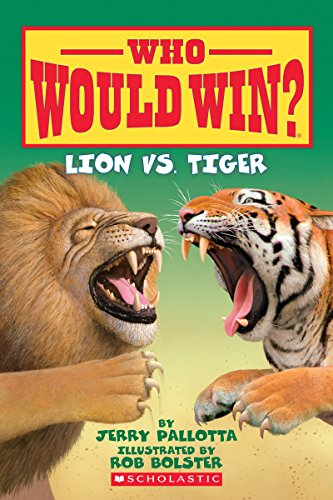
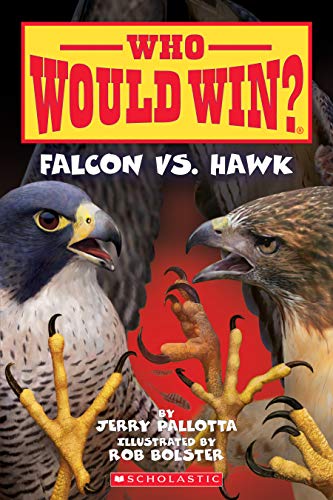
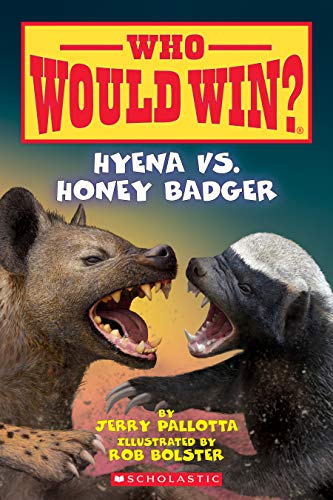
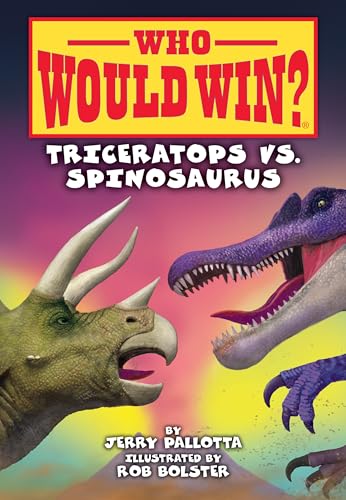
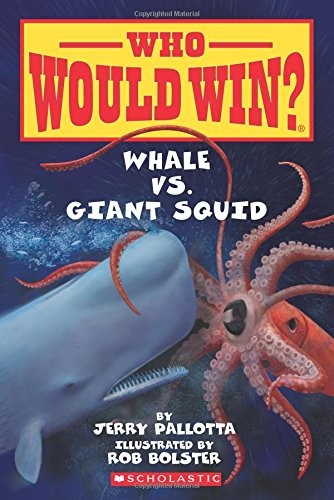
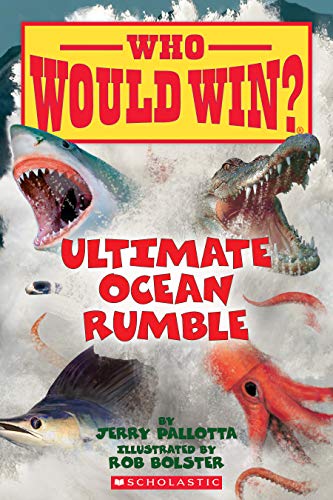
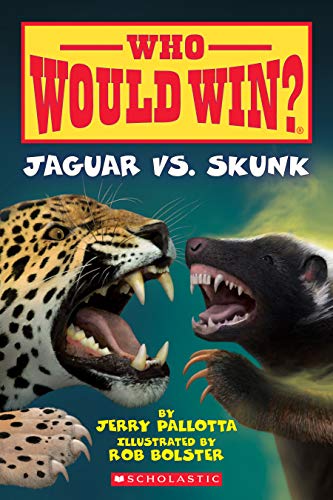
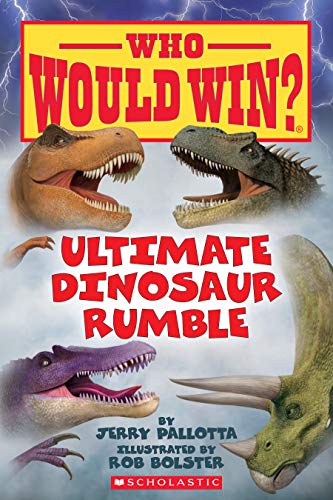
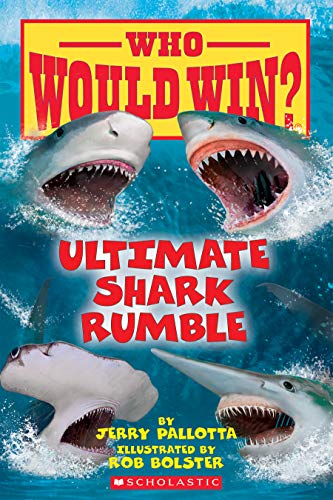
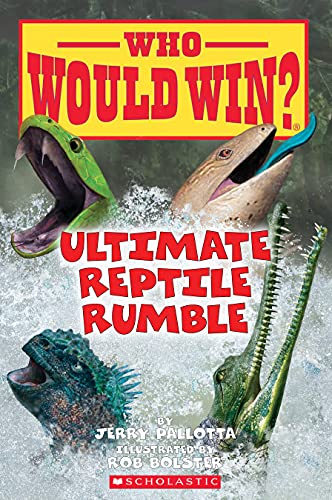
1. Show the book cover. Ask: "Which animal do you think would win? Why?"
2. Create a class tally chart of predictions
3. Discuss: "What do we need to know to make a good prediction?"
During Reading
- Read pages about Animal 1 together
- Stop and record facts on graphic organizer
- Repeat for Animal 2
After Reading
- Ask: "Did anyone change their prediction? Why?"
- Preview: Tomorrow we'll compare these animals
Day 2: Compare & Contrast (30-40 min)
Activity: Tale of the Tape
Use the comparison table worksheet to record:
- Size (length, height, weight)
- Speed
- Weapons (teeth, claws, horns, etc.)
- Special abilities
- Habitat
Discussion Questions:
1. Which animal is bigger? Does size always win?
2. Which animal is faster? When does speed matter?
3. What special abilities does each animal have?
4. Where would this fight take place? Does location matter?
Partner Work:
Students discuss with a partner: "Based on the facts, who do you think would win now?"
Day 3: Opinion Writing (30-40 min)
Writing Prompt:
"Who would win in a fight between [Animal 1] and [Animal 2]? Use facts from the book to support your opinion."
Writing Frame (for younger students):
```
I think the _______ would win because _______.
First, the _______ is _______ than the _______.
Also, the _______ can _______.
Finally, _______.
That is why I think the _______ would win.
```
Extension (for older students):
- Write a counterargument paragraph
- Include a "what if" scenario (different location, etc.)
Day 4-5: Reveal & Reflect
Read the Winner
- Read the battle scene and winner reveal
- Discuss: "Do you agree with the author? Why or why not?"
Reflection Questions:
1. Were you surprised by the winner? Why?
2. What was the most important fact that decided the battle?
3. What new facts did you learn about these animals?
Extension Activities:
- Create your own "Who Would Win?" matchup
- Research another animal and write a "Tale of the Tape" for it
- Draw a comic of the battle
Discussion Questions by Book
Lion vs. Tiger
1. Both animals are big cats. What makes them different?
2. Lions live in groups called prides. Tigers live alone. How might this affect a fight?
3. The book says tigers are usually bigger. Does that mean they always win?
4. Where do lions and tigers live in the wild? Would they ever actually meet?
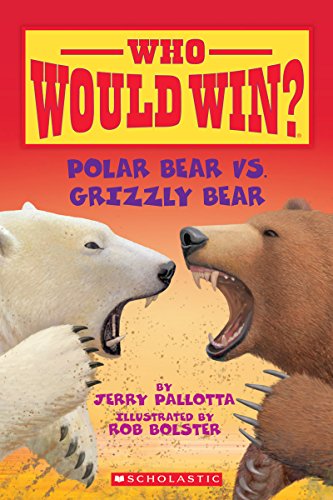
Polar Bear vs. Grizzly Bear
1. Both animals are bears. What makes polar bears and grizzly bears different?
2. Polar bears live in the Arctic. Grizzly bears live in forests. How are their bodies adapted to their homes?
3. What do each of these bears eat? How does diet affect their strength?
4. Climate change is causing polar bears and grizzlies to meet in the wild. What do you think happens?
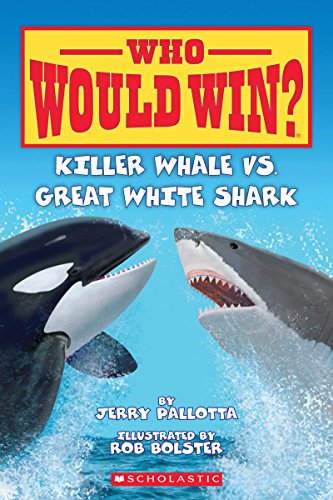
Killer Whale vs. Great White Shark
1. Which animal is a mammal? Which is a fish? Why does this matter?
2. Killer whales hunt in groups called pods. How might this help them against sharks?
3. Great white sharks are famous for being scary. Are they actually dangerous to orcas?
4. Both animals are apex predators. What does "apex predator" mean?
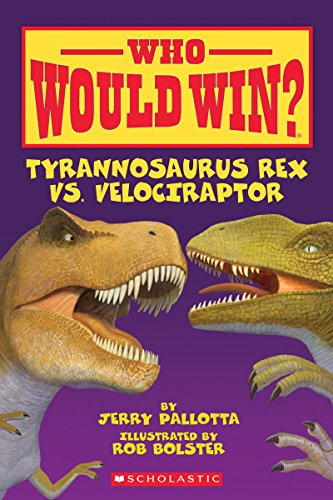
Tyrannosaurus Rex vs. Velociraptor
1. How do scientists know what dinosaurs looked like and how they behaved?
2. The T-Rex is much bigger. Why might the velociraptor still be dangerous?
3. In movies, velociraptors are shown as very smart. What does the book say about their intelligence?
4. These dinosaurs lived millions of years ago. Could they have actually fought?
Printable Worksheets
Worksheet 1: Tale of the Tape
A graphic organizer for comparing two animals.
Instructions: Fill in facts about each animal from the book.
| Category | Animal 1: _______ | Animal 2: _______ |
| ---------- | ------------------- | ------------------- |
| Size (length) | ||
| Weight | ||
| Speed | ||
| Teeth/Bite | ||
| Claws/Weapons | ||
| Special Ability | ||
| Habitat | ||
| Diet | ||
| Fact | Animal 1 | Animal 2 |
| ------ | ---------- | ---------- |
| Size | ||
| Speed | ||
| Weapons | ||
| Special Ability |
Who do you think would win? Write your verdict:
_________________________________
_________________________________
_________________________________
NGSS Standards Alignment
K-2 Standards
- K-LS1-1: Use observations to describe patterns of what plants and animals need to survive
- 1-LS1-2: Read texts and use media to determine patterns in behavior of parents and offspring that help offspring survive
- 2-LS4-1: Make observations of plants and animals to compare the diversity of life in different habitats
3-5 Standards
- 3-LS4-2: Use evidence to construct an explanation for how the variations in characteristics among individuals of the same species may provide advantages
- 4-LS1-1: Construct an argument that plants and animals have internal and external structures that function to support survival
- 5-LS2-1: Develop a model to describe the movement of matter among plants, animals, decomposers, and the environment
More Teaching Ideas
Vocabulary Development
Create a word wall with terms from the books:
- Predator / Prey
- Carnivore / Herbivore / Omnivore
- Adaptation
- Habitat
- Camouflage
- Apex predator
Math Connections
- Compare animal weights and sizes using graphs
- Calculate how many times bigger one animal is than another
- Create word problems using animal facts
Art Projects
- Draw a battle scene between two animals
- Create a "sports card" for an animal with stats
- Design a book cover for a new Who Would Win matchup
Create Custom Battles for Your Class
Finished all the books? Let your students choose matchups that don't exist yet!
Students can:
- Pick any two animals
- See real facts about both
- Read an illustrated battle
- Find out who wins based on science
Great for:
- Research projects
- Creative writing
- Independent reading centers
These resources are free for educational use. Not affiliated with Jerry Pallotta, Rob Bolster, or Scholastic.
Created by Who Would Win Books — the fan community for animal battle enthusiasts.
CREATE YOUR OWN BATTLE BOOK
See this matchup fully illustrated with AI-generated artwork. Free for popular battles.
🦁 Generate Book Now